Learn about stringfoot
If you want, Become a destringer! Here are some links to help you get started. The Pigeon Girl in England The Destringers Guide
NYC Bird Aid
A LOT. And they need help from humans, their keepers for millennia. Through NYC Bird Aid, I share street‑level guidance and stories so you can understand stringfoot, learn ways to help, and keep care going with donations for bird seed that attract pigeons for rescue. Birds in serious condition are taken to the Wild Bird Fund for critical care. (All wildlife is accepted at WBF and is an amazing, non-profit animal hospital worthy of your support).
Pigeon health clarity
Pigeons are often unfairly stigmatized as “dirty,” but public health research has examined their role in disease transmission and does not support the idea that they are the major public-health threat many people assume. It is safe to handle pigeons. They do not bite and are quite docile. Basic hand washing after handling is all you need.
Researchers also study pigeons as sentinels in disease surveillance, since population-level antibody patterns can help monitor emerging risks across urban environments.
For specifics, please review current public health and veterinary research, which evolves as new evidence becomes available. The dust from dried pigeon feces is not safe to inhale and can cause severe health problems. If you are working in an area where dried feces have been disturbed (under a bridge or in an abandoned building for example) wear a mask.
Our Mission
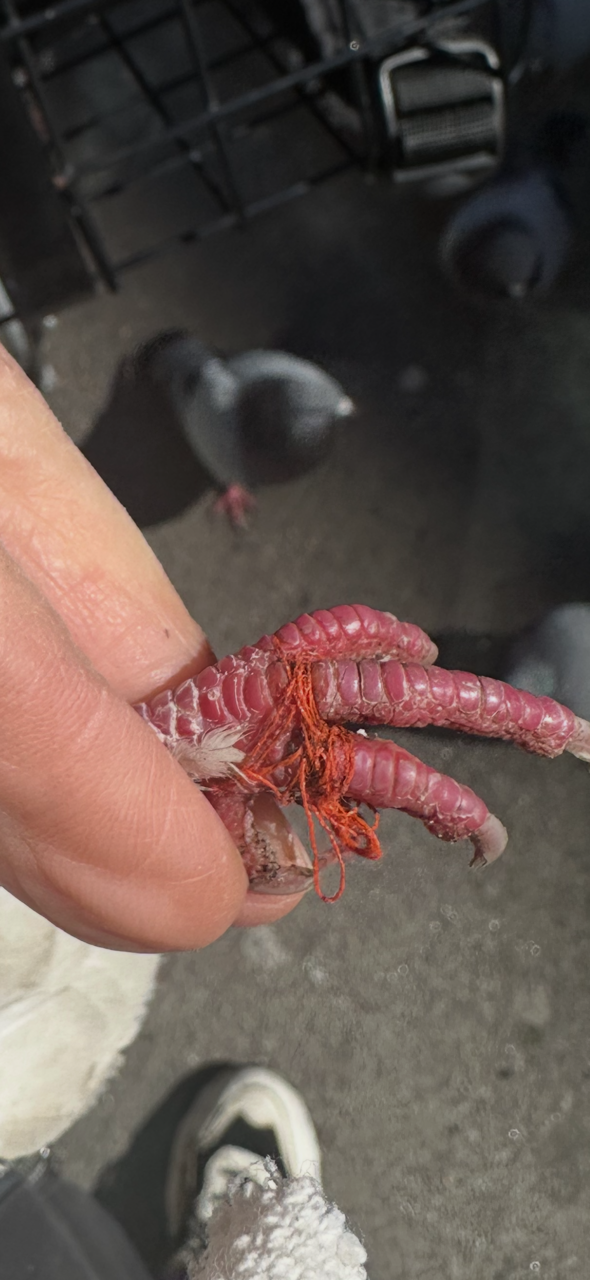
Human refuse—hair, string, thread, twine and even floss- are the predominant culprits. Human (and fake) hair are the greatest and most serious offenders because of it's strength and fine texture. Hair will constrict blood flow around toes and feet, slowly causing amputation, infection, and life long deformities. Because pigeons spend so much of their day walking New York’s streets and sidewalks in search of food, their feet are especially vulnerable to the debris people leave behind.
My mission is to help pigeons- and other wild life- safely and respectfully, providing relief from pain as well as giving them a fighting chance of survival. From seagulls to sea turtles and whales, animals around the world are struggling as humans create more garbage than we know what to do with.
Donations for bird seed are appreciated. It can sometimes take 2 pounds of seed to catch one bird (or more). Birds requiring surgery, amputation or other critical care are taken to The Wild Bird Fund. Every time a bird goes to WBF, the founder of NYC Bird Aid makes a contribution to their organization.
Urban wildlife deserves our compassion. Pigeons are part of our city’s story, and when we help them, we make New York kinder for all living beings, including ourselves.
Careful, respectful rescues
We focus on low-stress handling, clean tools, and swift release—prioritizing the bird’s comfort at every step.
How You Can Help
Every share or gift helps the NYC Bird Aid and Rescue initiative reach pigeons suffering from stringfoot. Please don’t toss hair, string, thread, or dental floss on the street—these materials can seriously endanger them. Donations here buy seeds crucial to my work. Donations to the Wild Bird Fund are crucial for urban wild life and are tax deductible. Without WBF there would be no wild life urgent care facility in New York and Brooklyn. If you can only donate to one, donate to them!
If you want, Become a destringer! Here are some links to help you get started. The Pigeon Girl in England The Destringers Guide
Help this operation by telling neighbors how to spot stringfoot, why littered hair or dental floss is dangerous, and who to contact when a pigeon needs a rescue.
Seed donations help attract pigeons so string, hair, and other detritus can be removed, and they help the rescuer catch patients who need a Wild Bird Fund transfer for critical care. A 15 lb bag of sunflower seeds costs $32.53, while a 12 lb bag of ground-feeding bird seed costs $13.76—one bag or several bags makes a real, immediate difference.
Send a seed donationRescue essentials
These are simple, non-medical items I keep on hand to attract pigeons, remove string or hair carefully, and transport birds without added stress.
A small pile of seed helps bring pigeons close without chasing. It builds trust and lets you work calmly.
A ventilated carrier, paper bag, or secure box keeps a bird safe and contained for short transport to help.
Use small, blunt nose scissors, a seam splitter, and tweezers to unwind the hair. Carefully cut away string or hair without tugging. If it's too embedded take them to The Wild Bird Fund. There's also a location of WBF in Brooklyn.
Cut the toe off a large sock. Covering their head and body keeps wings tucked and helps a bird feel secure while you work on their feet.
Keeping hands and tools clean protects you and the bird. Neosporen is not toxic to the birds. Massage the foot that has hair tied to it as this lubricates and makes it easier to remove and also disinfects.
A small pinch helps stop minor bleeding during rescue care. Use sparingly and only when needed, applying gentle pressure until the bleeding stops.
On the Street
NYC Bird Aid supports the NYC Pigeon Rescue initiative with calm, careful help. Each rescue is a quiet moment of relief, guided by patience, shared knowledge, and respect for the birds who share our streets.
Field moment
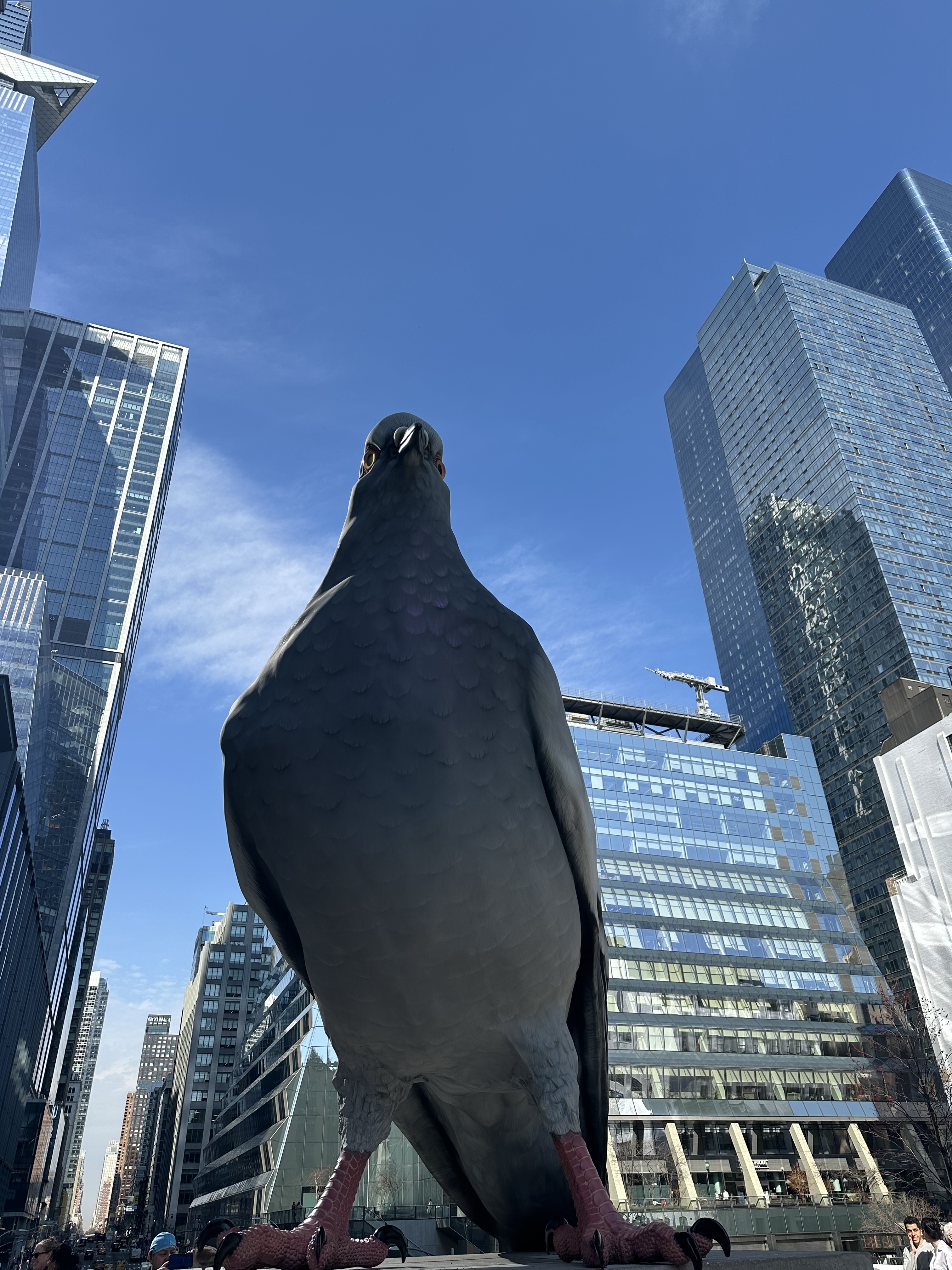
History & context
For many centuries, pigeons have lived alongside people as steady companions in towns, farms, and growing cities. Their ability to thrive near human settlement made them familiar neighbors long before modern streetscapes.
Long before cities, pigeons were cliff dwellers that nested on rock ledges and sheltered in natural crevices. Today’s building façades, bridges, and high ledges closely mimic those cliffs, offering the same kind of nesting and safety that once came from stone.
In many societies, pigeons were also a practical and reliable food source, including in and before biblical times. They were often kept because they were practical in places where space, feed, or larger livestock were limited.
Their presence brought other practical benefits as well. Pigeon droppings were historically valued as a reliable fertilizer, enriching orchards and vineyards when other options were scarce.
Pigeon meat was especially important where land, time, and resources were tight. Ordinary people could keep pigeons in modest spaces, while larger livestock more often required greater wealth, land, and steady feed.
That made the pigeon a common bird for the common man and woman — familiar, sometimes overlooked, and tied to everyday survival in villages and, later, city life.
Remembering this shared history helps us see today’s city pigeons differently — not as disposable urban pests, but as animals whose lives have been intertwined with human survival and settlement for generations.
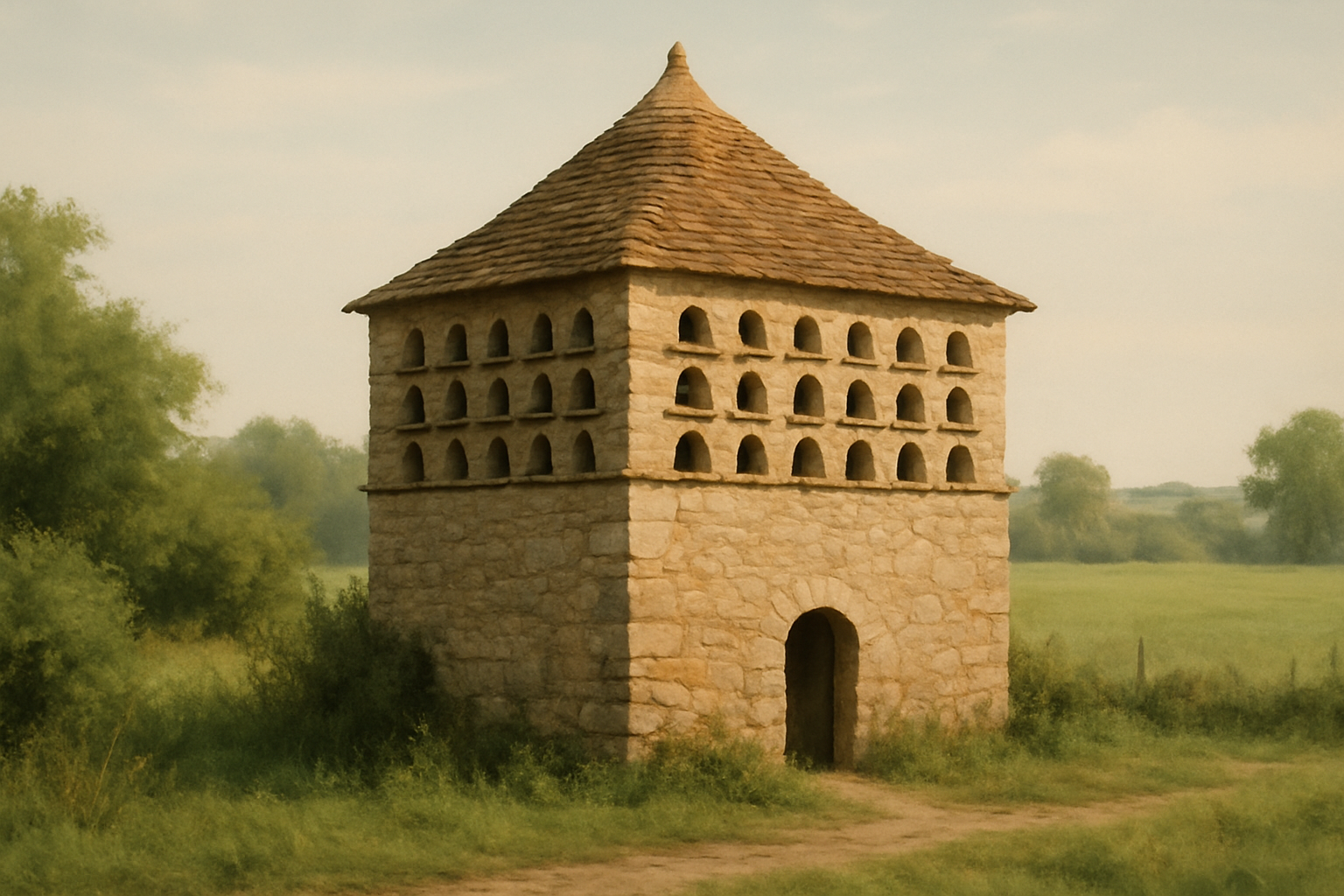
PHOTO GALLERY
These spaces are reserved for real rescue moments from NYC Bird Aid. Each image will highlight the steady, compassionate work that keeps city pigeons safe and supported.
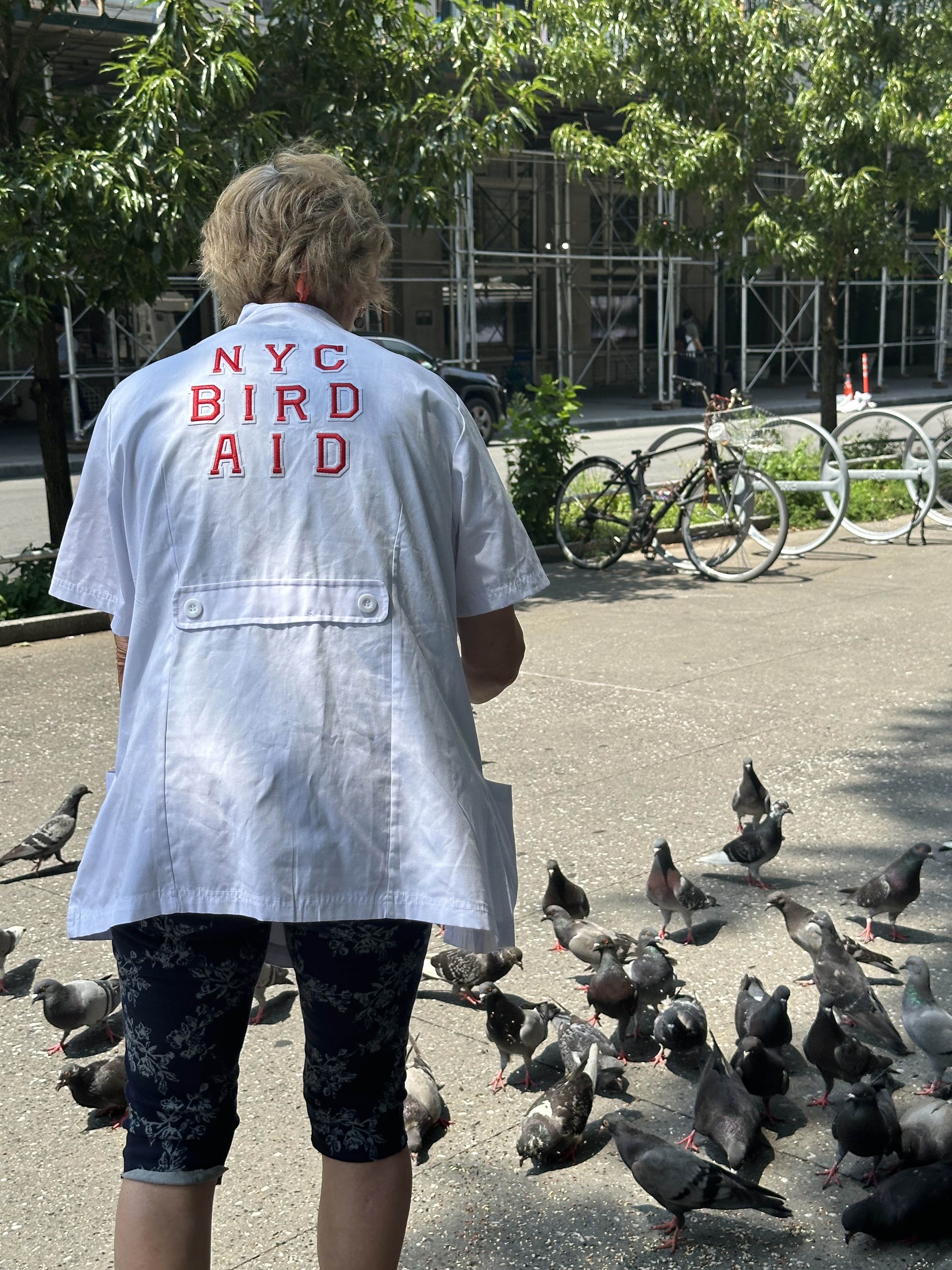
Rescue moment
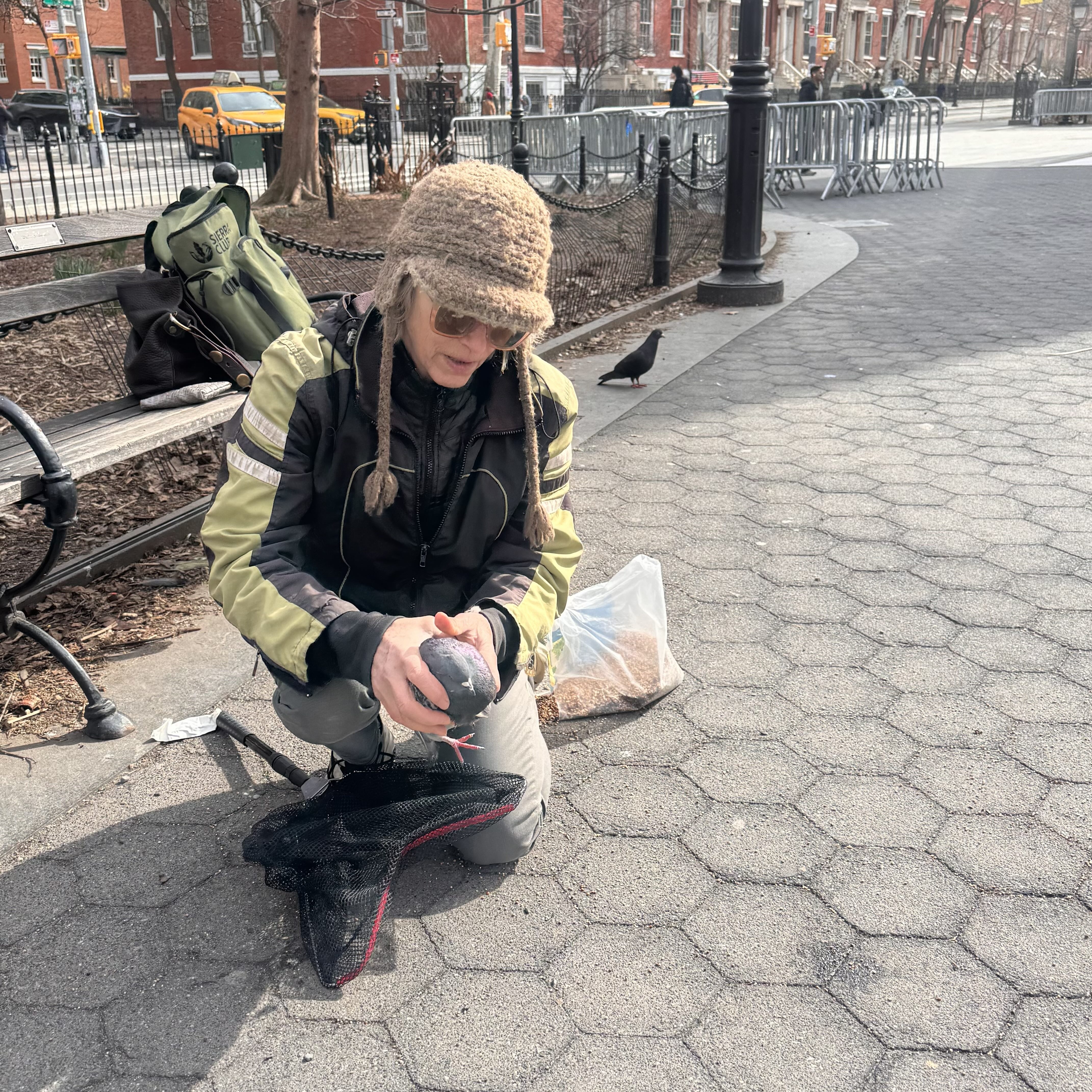
A careful approach on the sidewalk before capture. I created the jacket so people would stop yelling at me for feeding the birds. Most are not aware of the end goal of helping them. When they understand they are usually sympathetic.
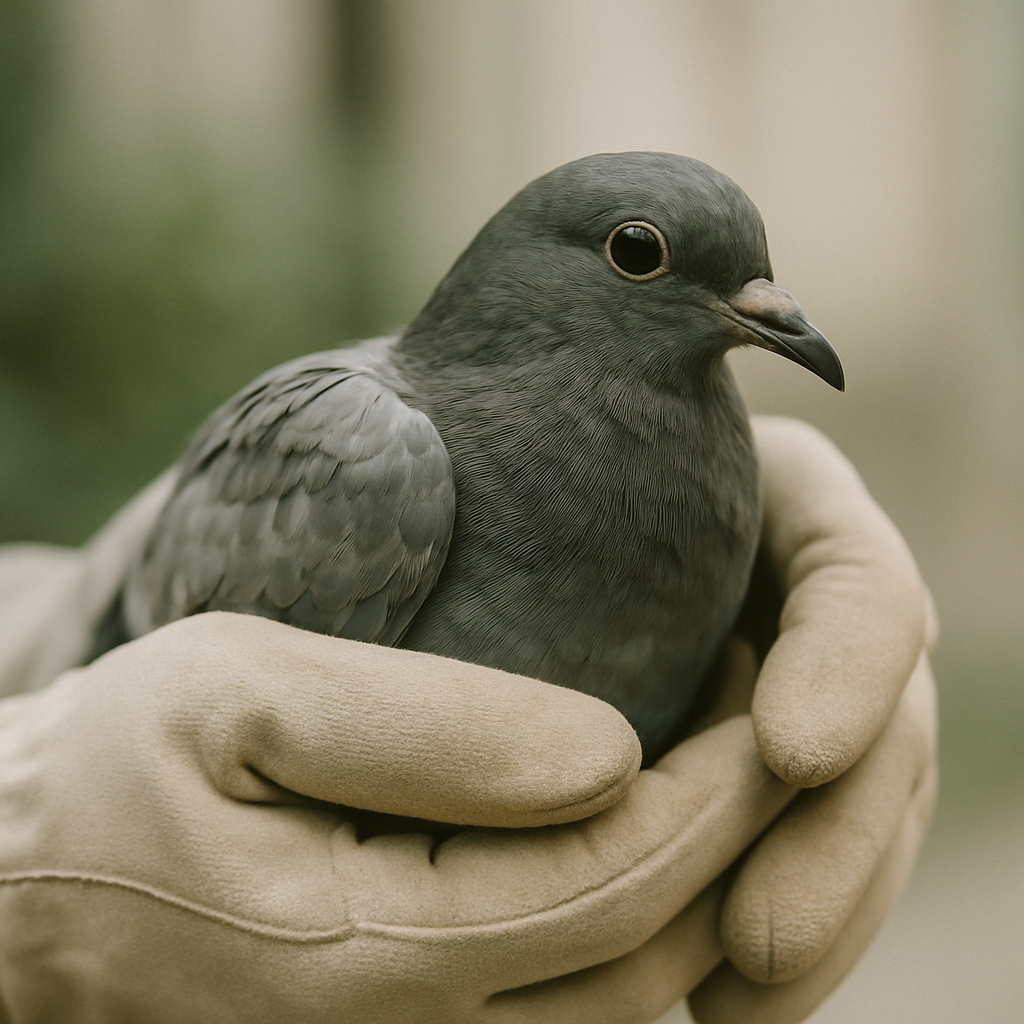
Gentle care
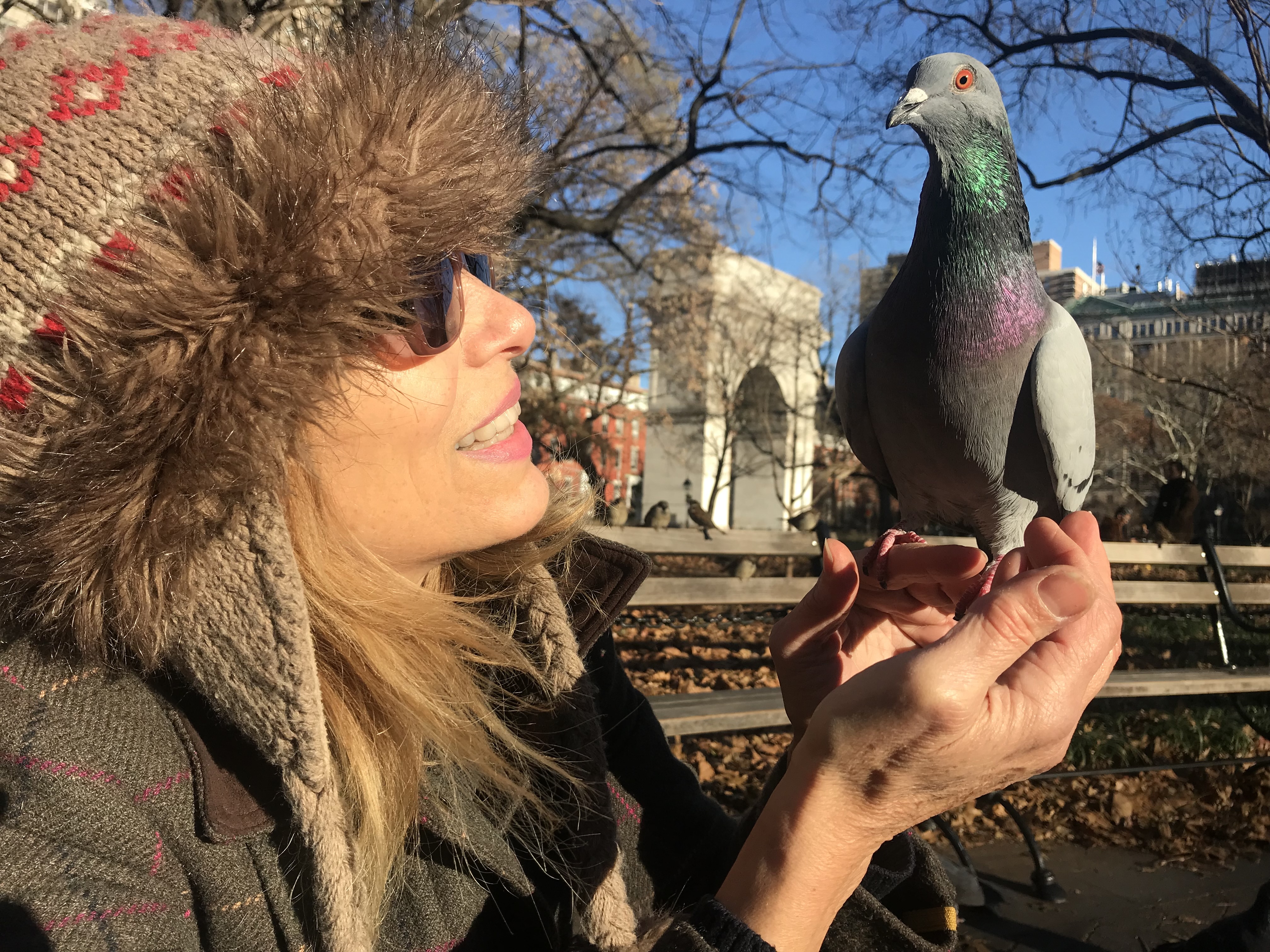
Normally I cover the birds head and wings with a cut off sock. Having their eyes covered calms them and the sock swaddles their wings while I work. This picture is not my own but is a sweet image.
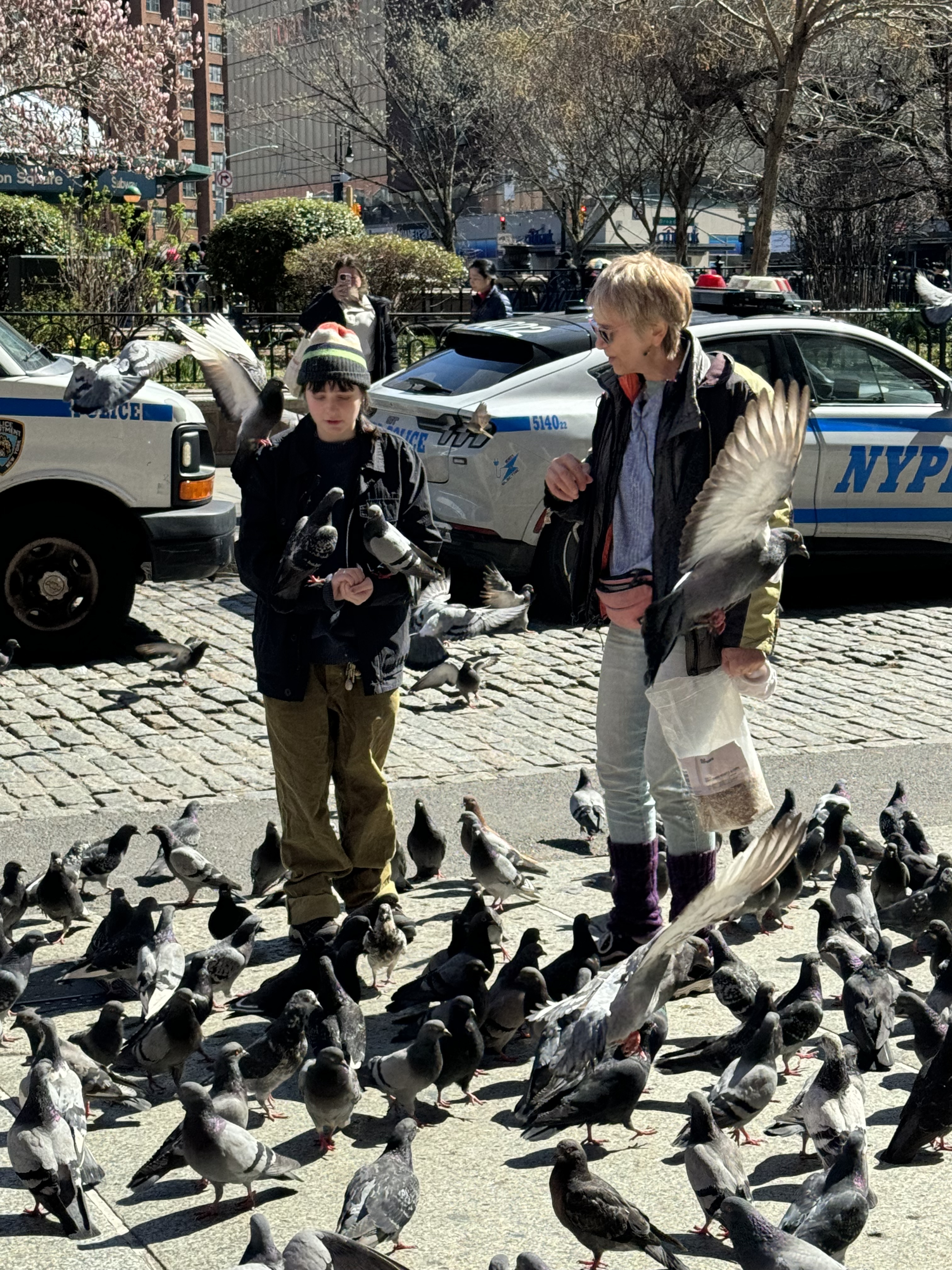
Street outreach
Building awareness in the community. Sharing tips with local bird lover and de-stringer Ava Vogel (her last name means BIRD in German :))
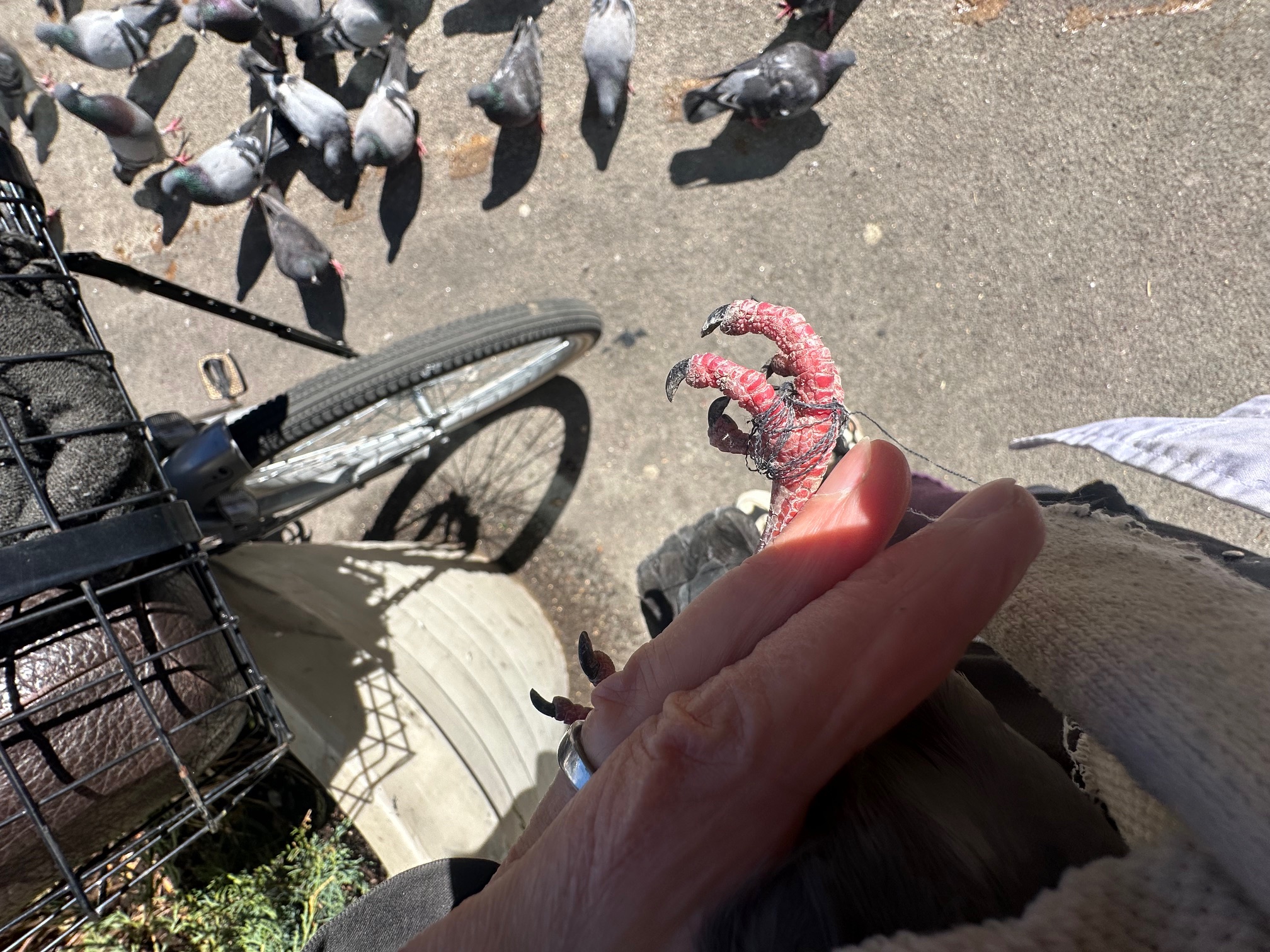
An example of string foot
Hair is the worst because it's fine but very strong so when the bird tries to free itself it only gets tighter, cutting off circulation. This image is string, not hair.
FAQ
Clear, compassionate answers about stringfoot rescues, safety, and how your support helps city pigeons thrive.
See ways to helpHave more questions? We’re happy to help.
Contact us in the footer →